6-1
Maiden Pink, a common alien, brightens fields and roadsides.

Bush Honeysuckle favors dry rocky places.

Frostweed, AKA Rockrose, grows in dry sandy soil.

And rocky woods are home to Mountain Laurel making Black Mountain ideal habitat.
John

6-1
Maiden Pink, a common alien, brightens fields and roadsides.
Bush Honeysuckle favors dry rocky places.
Frostweed, AKA Rockrose, grows in dry sandy soil.
And rocky woods are home to Mountain Laurel making Black Mountain ideal habitat.
John
5-31
European Cranberry, a rare escape, is now in flower.

Woods and rocky slopes are home to Great Chickweed.

Smooth Rose flourishes in dry, often sandy locations.

And today's high temperatures were much to the liking of this Snapping Turtle, almost certainly a female looking for a place to lay her eggs.
John

5-30
Harebells, AKA Bluebells, flower along shores and in meadows, especially on rocky or ledgy banks.

Oak Drops are a parasitic woodland species often associated with oak trees.

Maple-leaved Viburnums are flowering in dry or rocky woods.

And Black Locust, an introduced species, is opening billows of white pea-like flowers.
John

5-29
fields, roadsides and waste places are home to goat's Beard, white Campion, Daisy fleabane and Alsike Clover. Of the four only the fleabane is a native species.
John
 |
| Alsike Clover |
 |
| Daisy Fleabane |
 |
| White Campion |
 |
| Goat's Beard |
5-28
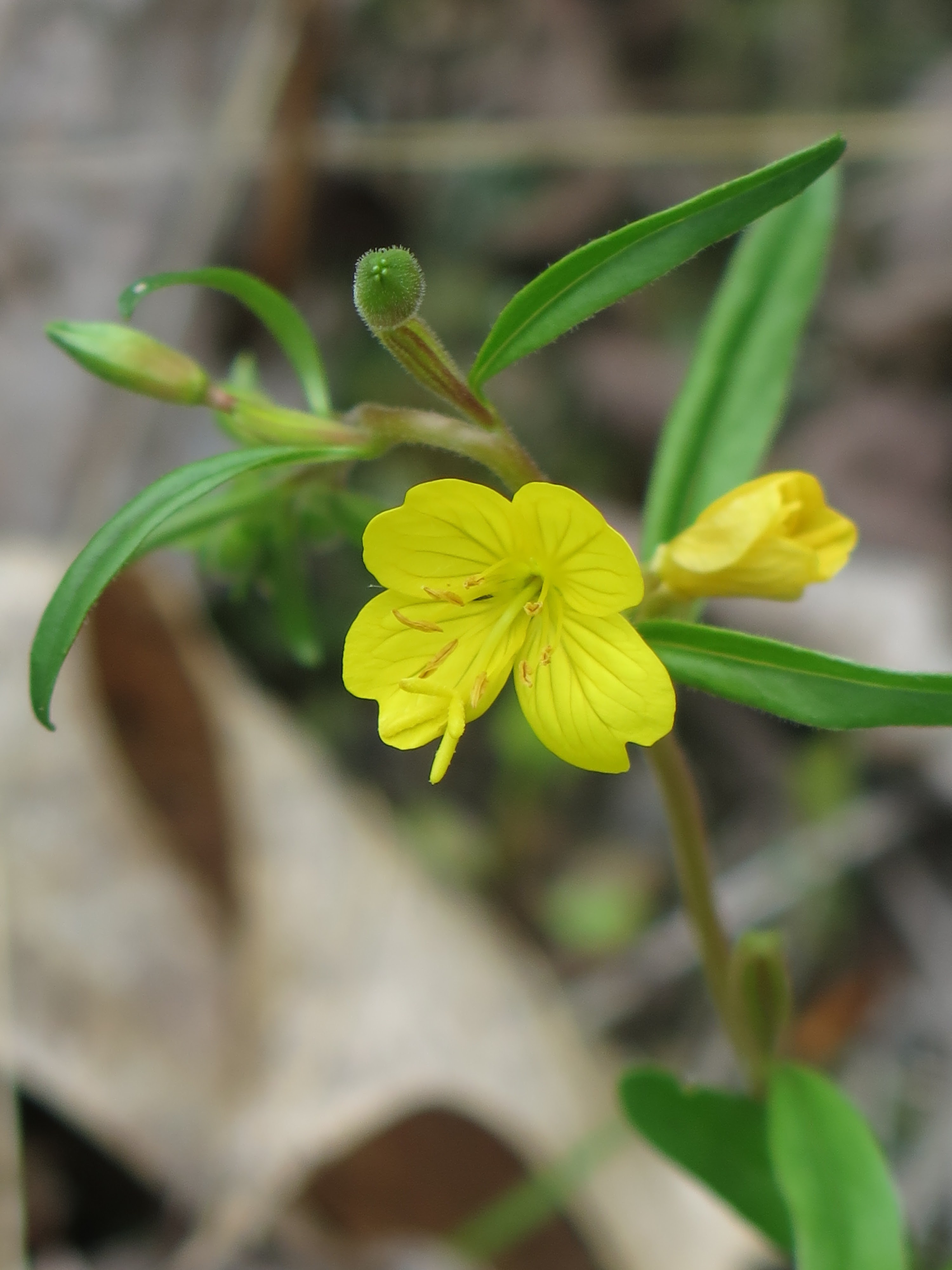
Old fields are home to Small Sundrops.
Ponds harbor Yellow Pond Lilies, AKA Spatterdock.

A Six-spotted Tiger Beetle was hunting in a dry sandy area

and a Cottontail Rabbit was never far from a dense thicket.
John

5-27
Lance-leaved Violets, rare in Vermont, favor damp meadows and shores.

Fields and meadows are habitat for the introduced Ragged Robin.

And rich, moist woods are home to Indian Cucumber.
John

5-26
Common Speedwell, a native species, can be seen on lawns and along trails and wood roads, often in dry habitats.

Bristly Locust, introduced as an ornamental and as an erosion control and land reclamation planting, is now in flower.

And American Copper butterflies, as bright as copper pennies, dart busily from flower to flower when not posing nicely for a picture.
John

5-25
Old fields, roadsides and waste places are home to Lesser Stitchwort, Yarrow and Cow Vetch, all introduced species.
John
 |
| Lesser Stitchwort |
 |
| Yarrow |
 |
| Cow Vetch |
5-24
Birdsfoot Trefoil favors fields and roadsides.

Dry, sandy verges and gravel parking lots are home to Silvery Cinquefoil and Pineapple Weed. All three are introduced species.
 |
| Pineapple Weed |
 |
| Silvery Cinquefoil |
Virginia Waterleaf, a native, favors rich woods and can tolerate some shade.

And a flower fly, genus Sericomyia, although harmless, gains advantage by mimicking a bee.
John

5-23
Red Clover, White Clover, Wild Madder and Bouncing Bet are all in flower - and all are introduced species.
 |
| Wild Madder |
 |
| White Clover |
 |
| Bouncing Bet |
 |
| Red Clover |
Native Black Raspberries are also having their day.
John
 |
| Black Raspberry |
5-22
Ox-eye Daisy - once a hated invasive - are now beloved.

Highly invasive Black Swallow-wort has arrived here more recently.

Sticky, hairy Night-flowering Catchfly, another long established alien, is flowering.

And Red-osier, one of half a dozen dogwoods native to this area, is in flower - usually near water.
John

5-21
Round-leaved Ragwort - a plant of woods and rocky banks - is in flower.

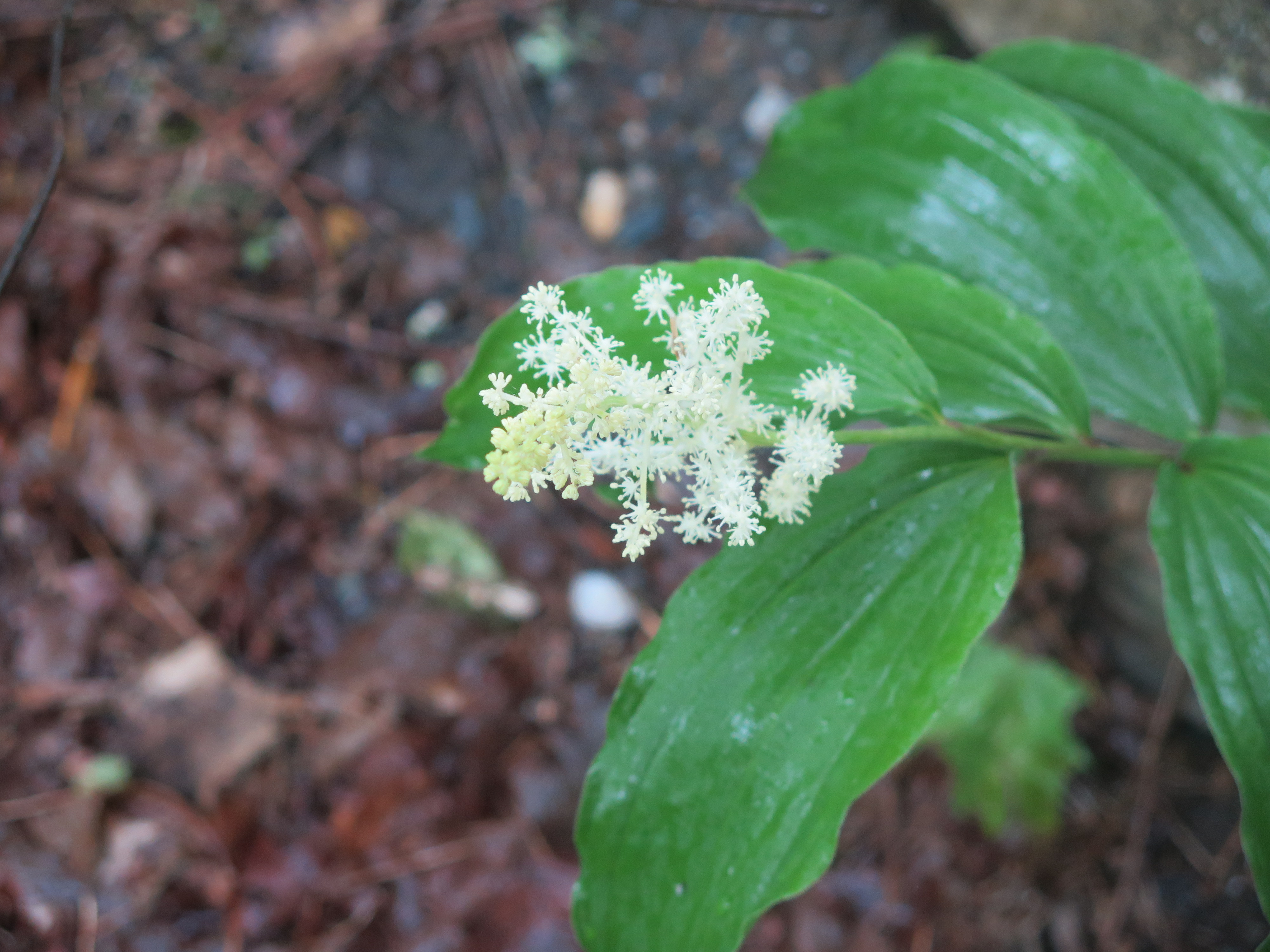
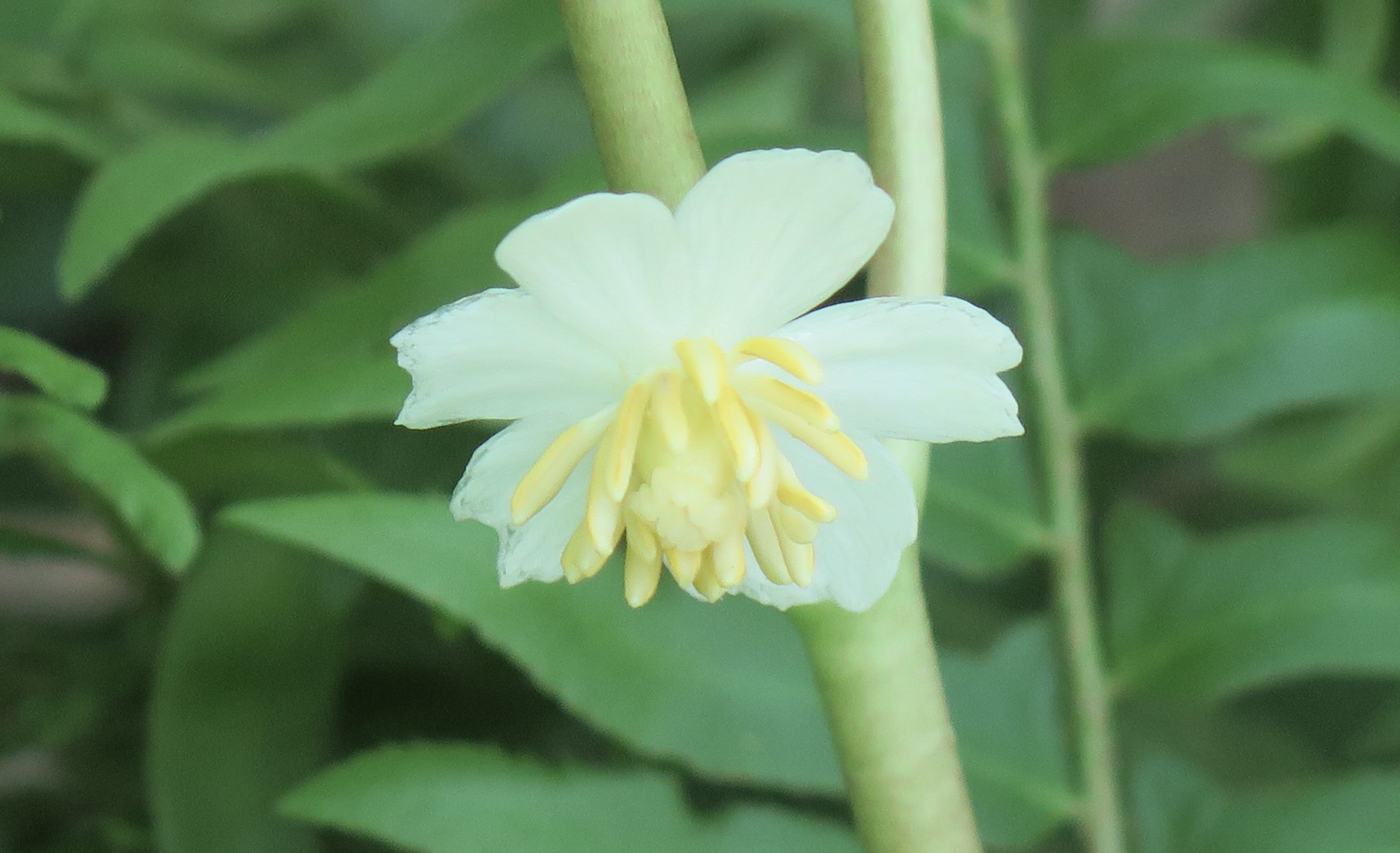
Rich woods are home to Mayapple, AKA Mandrake.
John
5-20
Bunchberry can be seen in cool woods and bogs.

Moccasin Flowers are up - many in pine woods.

Parasitic One-flowered Cancerroot lurks in woods and thickets.

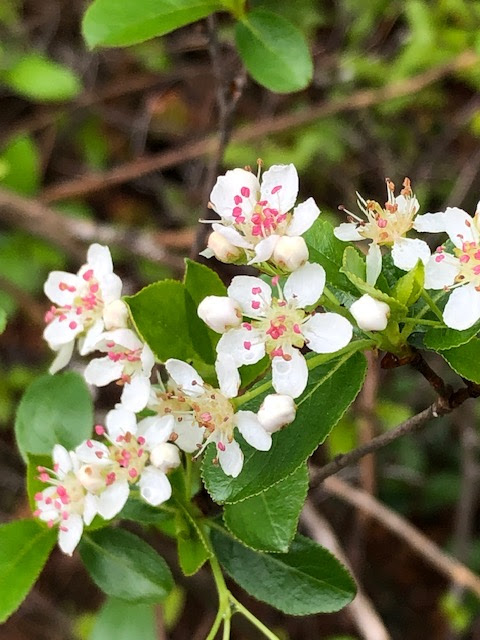
And Black Chokeberry - a member of the Rose family - thrives on rocky uplands, bluffs and in dry thickets.
John
5-19
Low-running Blackberry graces the edges of old fields, roadsides and thickets.

White Banesberry, AKA Doll's Eyes, is a woodland plant. Later in the season its purple pupiled white berries do indeed resemble eyes.

And False Solomon's Seal is flowering along roadsides and in open woods.
John