7-19
A nearly chlorophyll-less Horse Nettle - probably connected at root level to nearby green nettles - seems healthy despite any expectations.

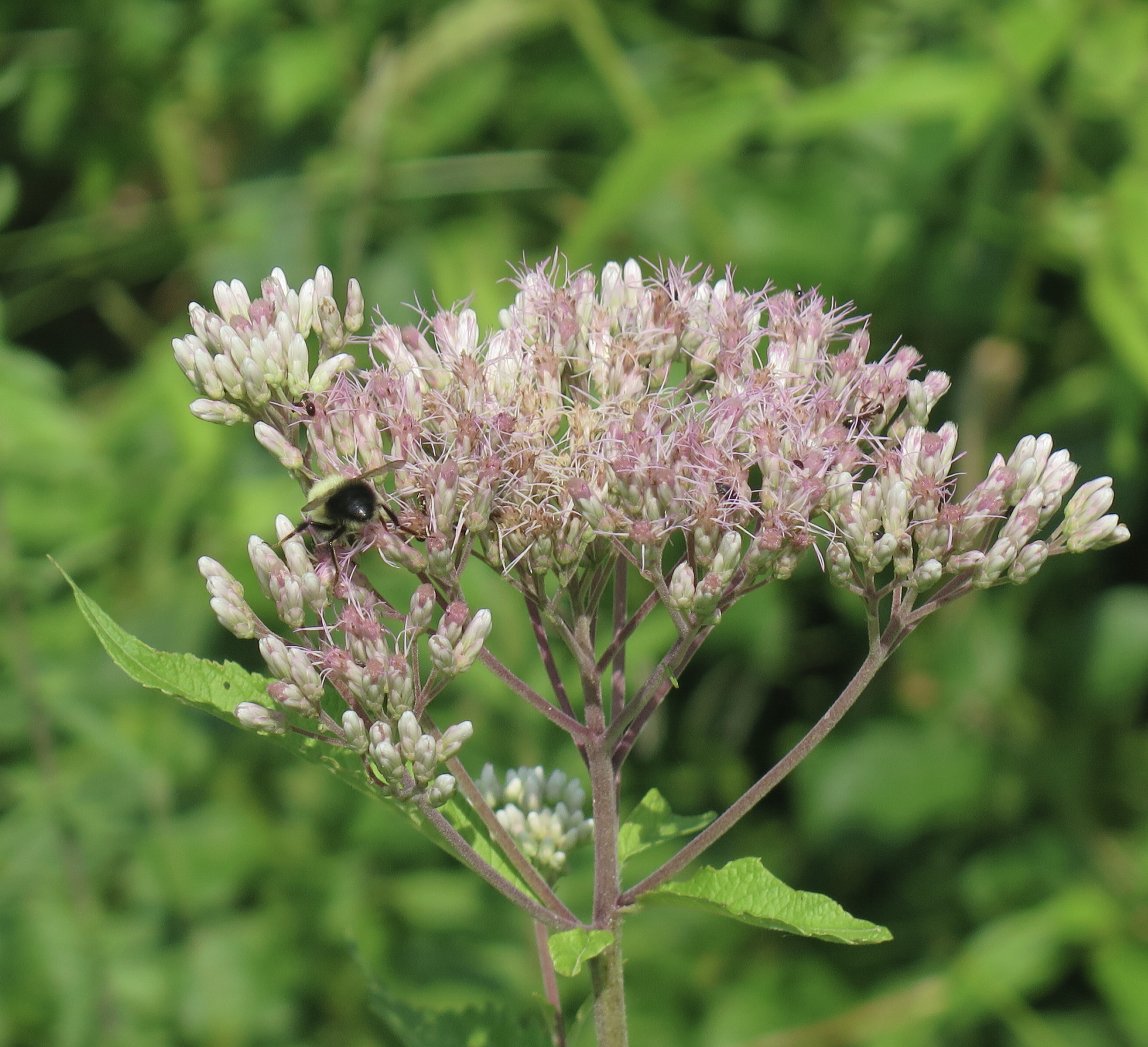
Joe-pye Weeds have opened a few florets much to the delight of bumble bees.
John
7-19
A nearly chlorophyll-less Horse Nettle - probably connected at root level to nearby green nettles - seems healthy despite any expectations.
Joe-pye Weeds have opened a few florets much to the delight of bumble bees.
John
7-18
Fields and weedy places are home to Prickly Lettuce the leaves of which have a prickly margin and underside midrib.

Warm ponds are prime habitat for Little floating Hearts, a diminutive member of the gentian family.
John

7-17
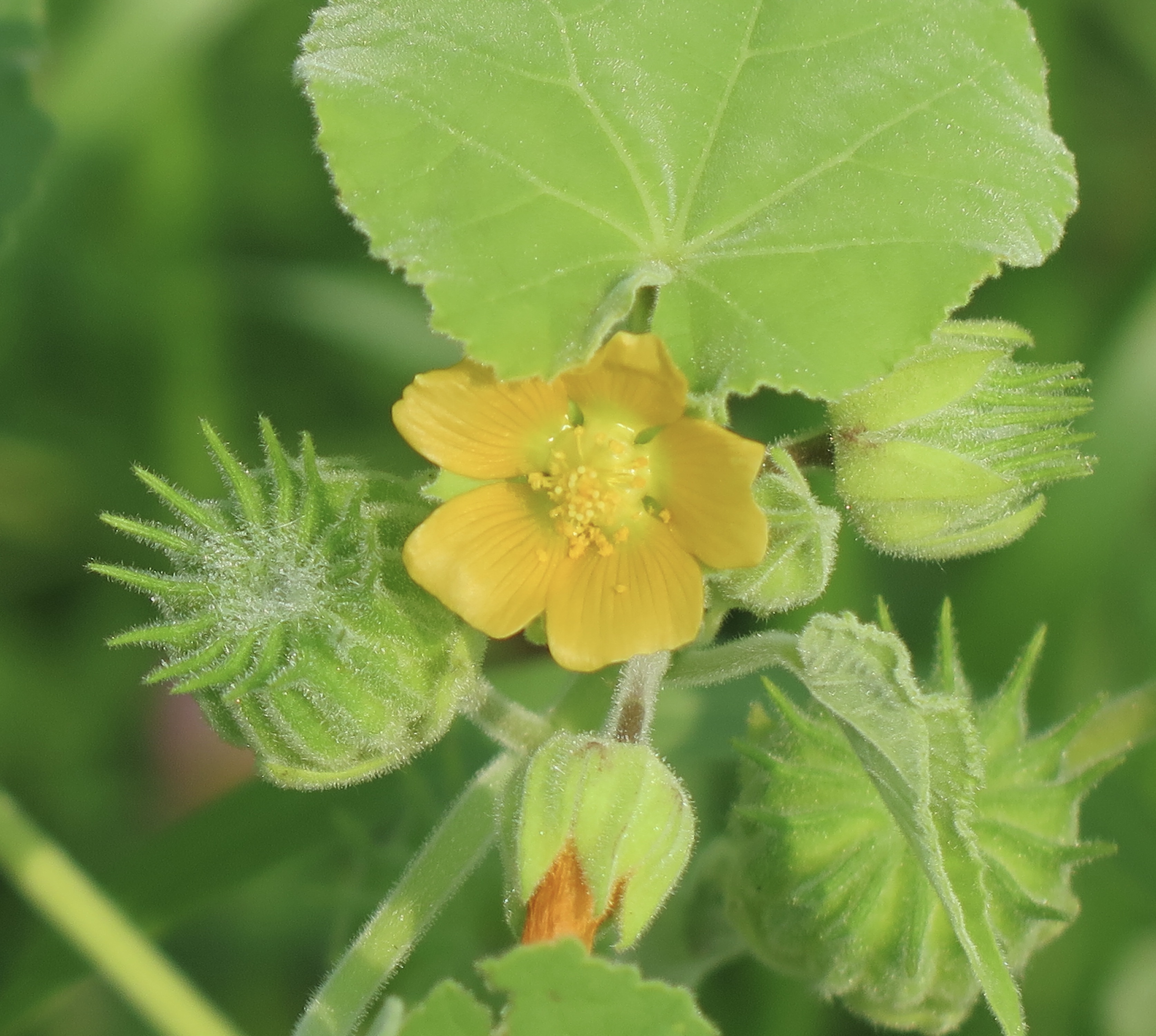
Indian Mallow, AKA Velvet Leaf, crops up in waste places and on the margins of agricultural fields.
The dry sandy soils of roadsides are prime real estate for somewhat salt tolerant Slender Cottonweed, a member of the Amaranth family.
John

7-16
Indian Hemp is an inhabitant of shores and thickets. When dried the stem of this plant yields fibers that can be fashioned into cordage.

Moist soils foster Pokeweeds. The young shoots of Poke are edible but the root of this plant and possibly the berries are poisonous.
John

7-15
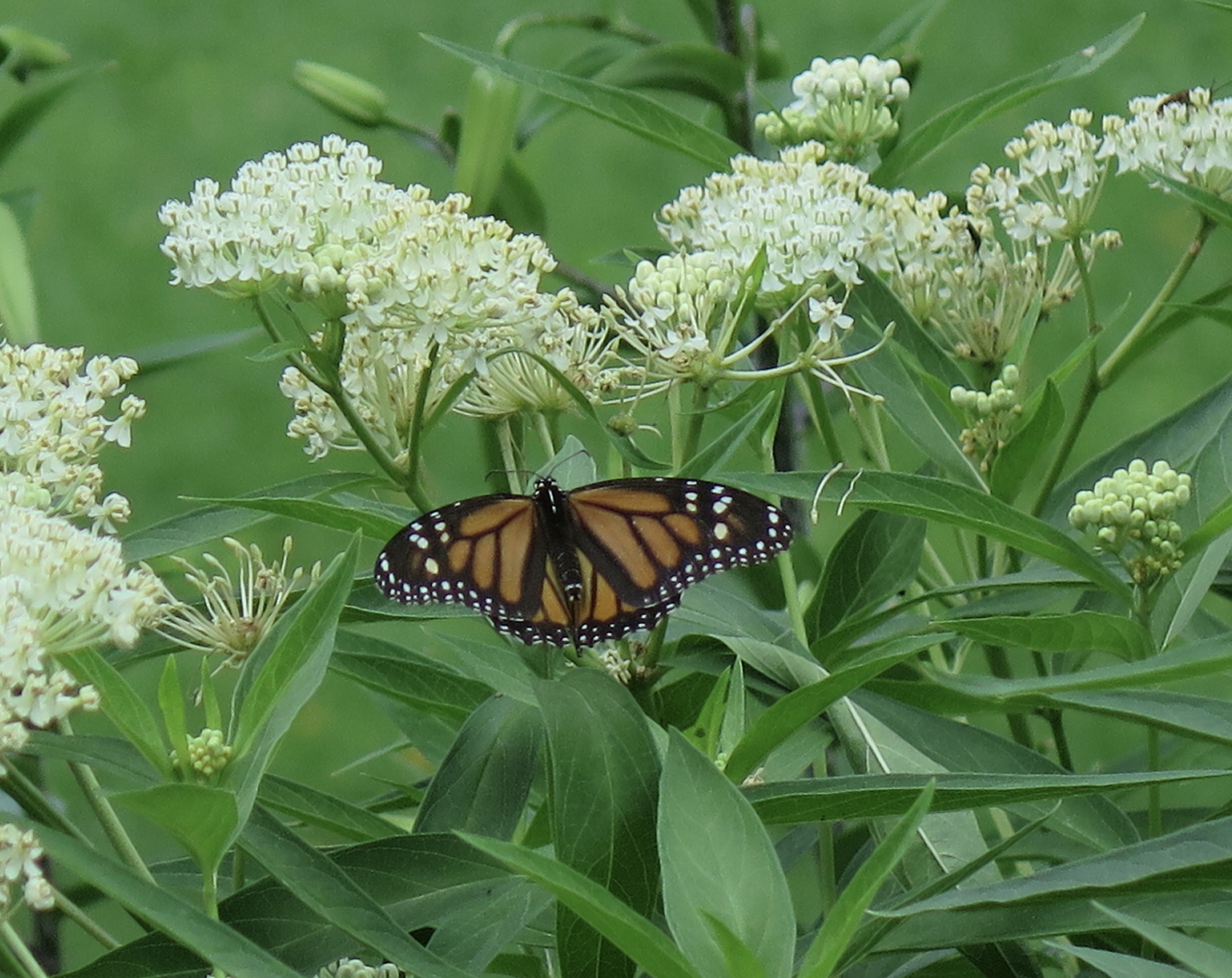
Swamp Milkweed - a plant of swamps and shores - is starting its flowering.

Helleborine - our only introduced orchid - favors moist woodlands and is relatively common.
John

7-14
The flower spikes of White Vervain are described as, "slender and more or less interrupted." Look for it in thickets and edges.

Woods and meadows are home to Culver's Root which is rare in Vermont but sometimes grown in gardens and subsequently escaping.

And our milkweed now has more than one Monarch egg
John

7-13
Stripe, AKA Spotted, Wintergreen - rare statewide - is a component of dry woods.


Orange Grass, AKA Pineweed, is a tiny member of the St. Johnswort family found on barren or thinly vegetated soils.

Great Golden Digger Wasps hunt Camel Crickets and Long Horned Grasshoppers. The anesthetized prey is food for the wasp's larvae.
John

7-12
Indian Tobacco, one of seven Lobelias listed in my field guide - favors open woods and fields.

Common Evening Primrose - so called because its flowers only fully open at twilight - likes dry open places.

Milkweed Tussock Moth caterpillars feed communally for a time.

And a Monarch butterfly visited our milkweed today. Last year our first sighting was on the 11th.
John
7-11
Ragged Fringed Orchid, AKA Green Fringed Orchid, inhabits fields and wet meadows.

An American Painted Lady posed nicely for a photo.
John

7-10
Hemp Nettle - yet another mint family member - is starting its flowering. It's common along roadsides and in similar situations.
John

7-9
Catnip crops up occasionally in waste places.

There are also 5 different mountain mints said to grow in Vermont (15 in the northeast). This one appears to be Whorled Mountain Mint. Look for it in moist meadows and swales.
John

7-8
Wild Marjoram occurs occasionally on roadsides and in old fields.

Wild Thyme shows up in fields along roads and in old cemeteries.

Garden Phlox is an escape now established in woods and along edges.
John

7-7
Bristly Sarsaparilla favors open woods and clearings. I see it on roadsides and under power lines.

Low meadows and, bogs and river banks are home to Canadian Burnet, a member of the rose family.

The colony forming, invasive, Purple Loosestrife is coloring swamps, wet meadows and river banks.

And a rather handsome skunk spends its evenings in my yard.
John

7-6
Roadsides, railroad ballast and other such dry inhospitable habitats host Spotted Kanpweed.

Early Goldenrod is a common component of fields and edges.

A pair of half grown Cottontails licked road dust seemingly oblivious to my car.
John

7-5
Moist, often shady, places are home to both Pale and Spotted Touch-me-nots, AKA Jewelweeds.
 |
| Pale Touch-me-not |
 |
| Spotted Touch-me-not |
A batch of half grown Hooded Mergansers rested on a log this morning.

A pair of fawns picked a rather inappropriate place to nurse.
John

7-4
Moist thickets, shores and meadows are home to Blue Vervain.

Wintergreen, AKA Checkerberry, a woodland species, is in flower. Its leaves taste strongly of wintergreen. Its fruit is a bright red edible berry.

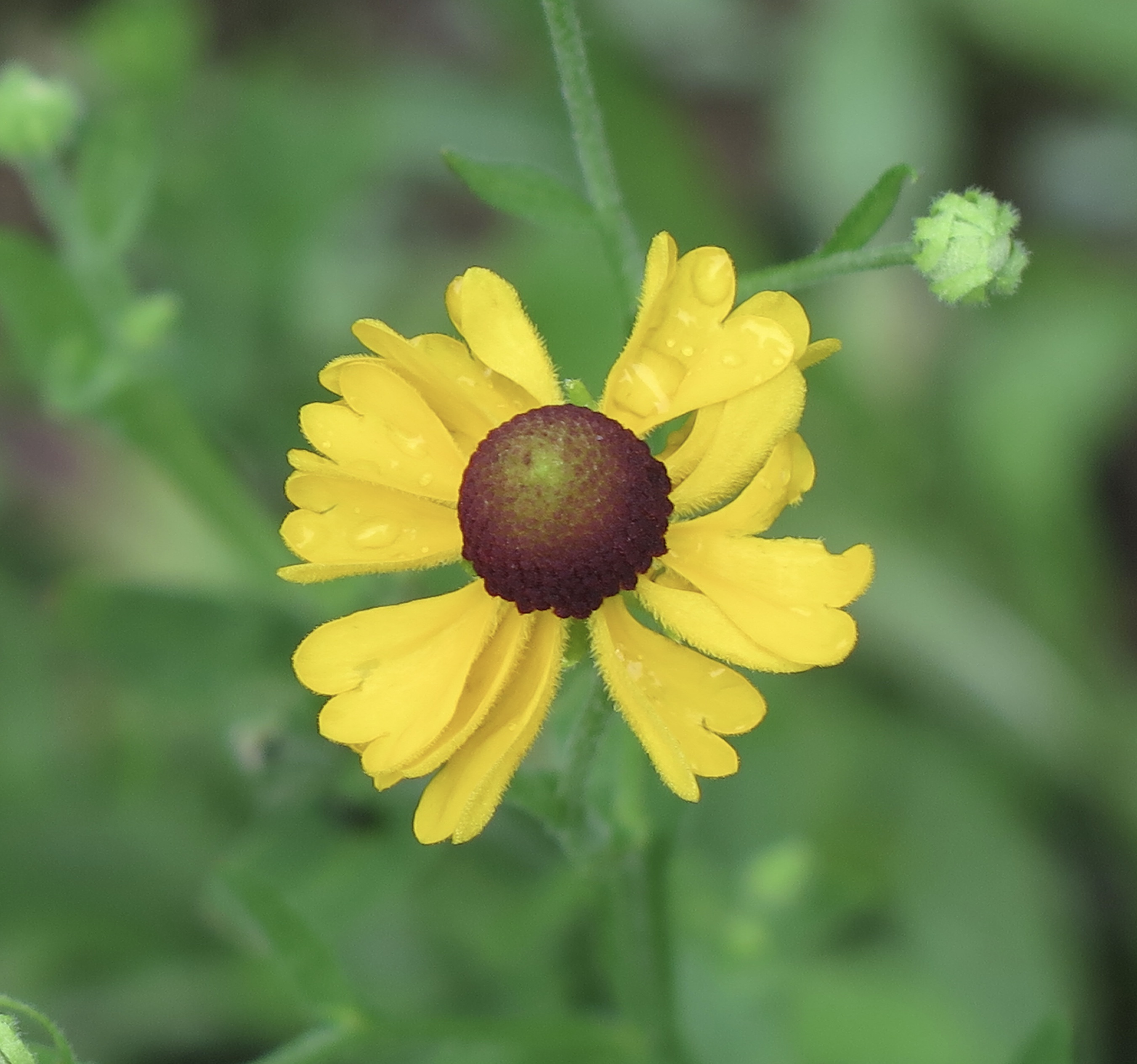
Purple-headed Sneezeweed, a southern species introduced locally, inhabits fields and roadsides. Wedge-shaped three lobed flower rays make identification of this plant easy.
John
7-3
Marsh Hedge Nettle, a member of the mint family, favors low meadows, swamps and shores.

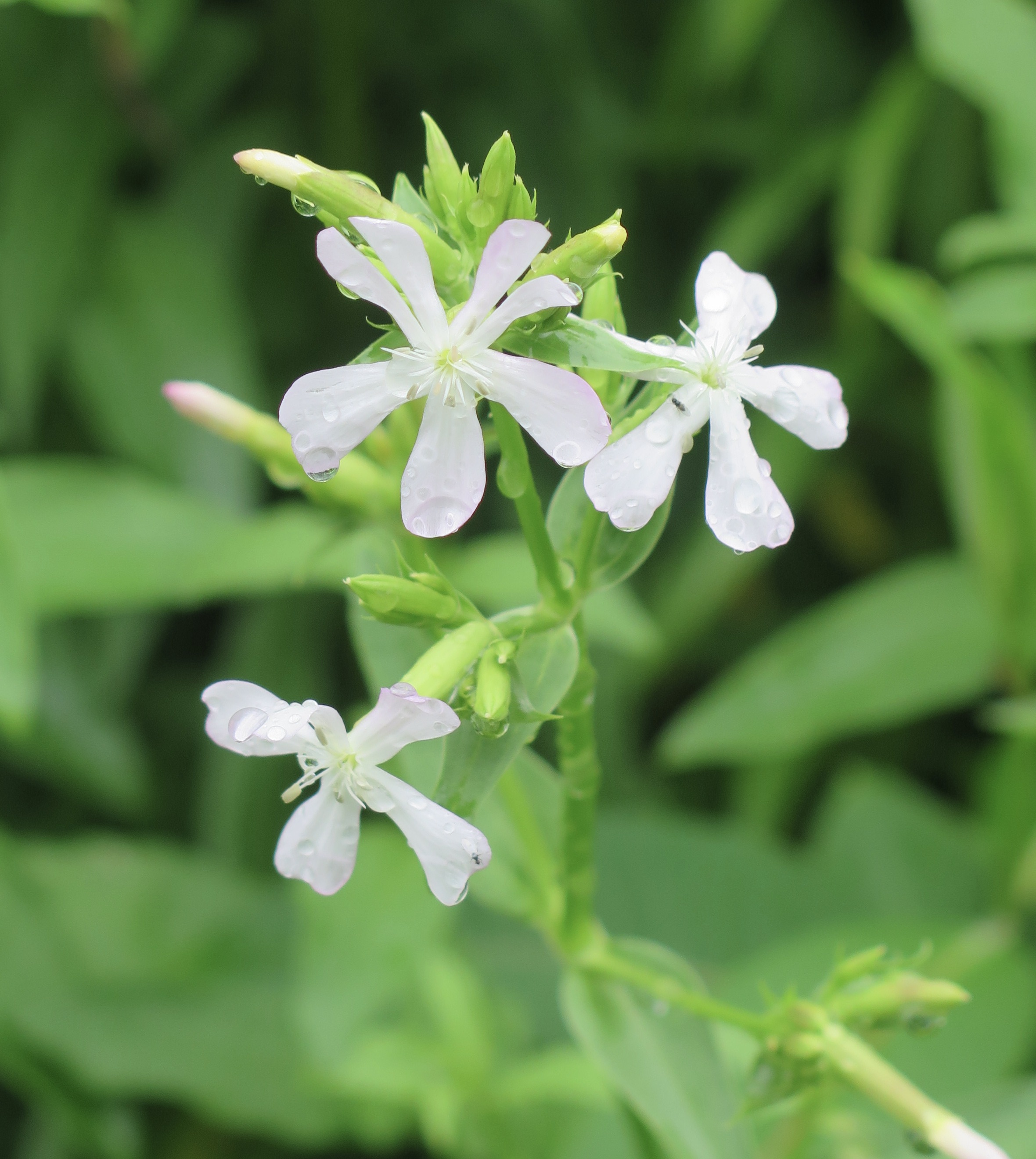
Bouncing Bet, AKA Soapwort, is common along roadsides and in waste places. The sap of this plant is used like soap and produces a very soap-like lather.
Quiet ponds are home to Sweet Scented Water Lily.
John

7-2
Canada Lily, AKA Meadow and Wild Yellow Lily, graces meadows and wet thickets with its whorls of nodding bells.

Show Tick Trefoil - one of 9 Tick Trefoils listed by my field guide - is opening its pea-like flowers on banks and along roadsides.
John

7-1
White Wood Asters thrive in dry woods and clearings.

Fields and meadows are said to be the preferred habitat of Whorled Milkwort. I find it in sandy - often dry - locations.

Indian Pipe, AKA corpse Plant is a chlorophyll-less myco heterotroph taking nutrients from fungal networks that in turn are in mutual arrangements with green plants.
John


