7-5
Agrimony is flowering in woods and thickets. Its bristly fruits cling to clothing.

Canadian Burnet, which is said to favor low meadows and bogs, can be seen on the banks of the West River.

And, American Copper butterflies are airborne.
John

7-5
Agrimony is flowering in woods and thickets. Its bristly fruits cling to clothing.
Canadian Burnet, which is said to favor low meadows and bogs, can be seen on the banks of the West River.
And, American Copper butterflies are airborne.
John
7-4
Purple-headed Sneezeweed, introduced from the southern states, can be found in fields and along roadsides. Its three-lobed rays and winged stems make it easy to identify.

And Early Goldenrod - the first to flower of the 29 goldenrods listed for Vermont - is opening a few flowers.
John

7-3
White Vervain favors thickets and waste places. Blue Vervain favors moister meadows and shores.
John


7-2
Bouncing Bet, AKA Soapwort, is common along roadsides and in waste places. The sap of this species is said to lather and cleanse in a very soap-like manner.
John


7-1
Great Chickweed, AKA Star Chickweed, is a plant of woods, rocky slopes and roadsides.

Spotted Knapweed shows up along roadsides, railroad tracks and disturbed sites.

And Spotted spurge favors lawns, gardens, roadsides and other weedy places.
John

6-30
Spotted Touch-me-not favors moist, shaded places.

False Pimpernel likes wet sites often in mud at the water's edge.
John

I am very saddened by the fact that we no longer get emails of John's postings. I am working on a way to keep it going. For now, John is going to continue to post, so just stop, take a moment and check in with the blog to see John's latest posting. You can bookmark the page, so you can easily click the link. http://dummerstonconservation.com/blog/
Best - Lynn

6-28
Musk Flower is a rare plant found in seepage areas.

Spiked Lobelia favors dry fields and woods.

And saprophytic Indian Pipes are a strictly woodland species.
John

6-27
Red Campion shows up occasionally in fields and waste areas.

Enchanter's Nightshade is a common plant of woods and thickets.

And Low Baby's Breath is an escape that crops up in dry compacted soils, often roadsides.
John

6-26
Shinleaf, AKA Pyrola, is a common woodland species.

Pipsissewa, AKA Princess Pine, favors dry woods.

And Swamp Dewberry, a trailing variety of blackberry, is happy in swamps, open woods and clearings.
John

6-25
Canada Lily, AKA Meadow Lily, grows in wet meadows and swamps.


Marsh Hedge Nettle, AKA Woundwort, is a plant of swamps, shores and wet meadows.

And Galinsoga, AKA Quickweed, is a pest of gardens and similar disturbed areas.
John

6-24
Bristly Sarsaparilla likes dry sandy places, often roadsides.

Goldenrod Crab Spiders can change from yellow to white allowing them to blend with a larger array of flowers.

Dobsonflies are making nuptial flights. This male is close to 4 inches long!
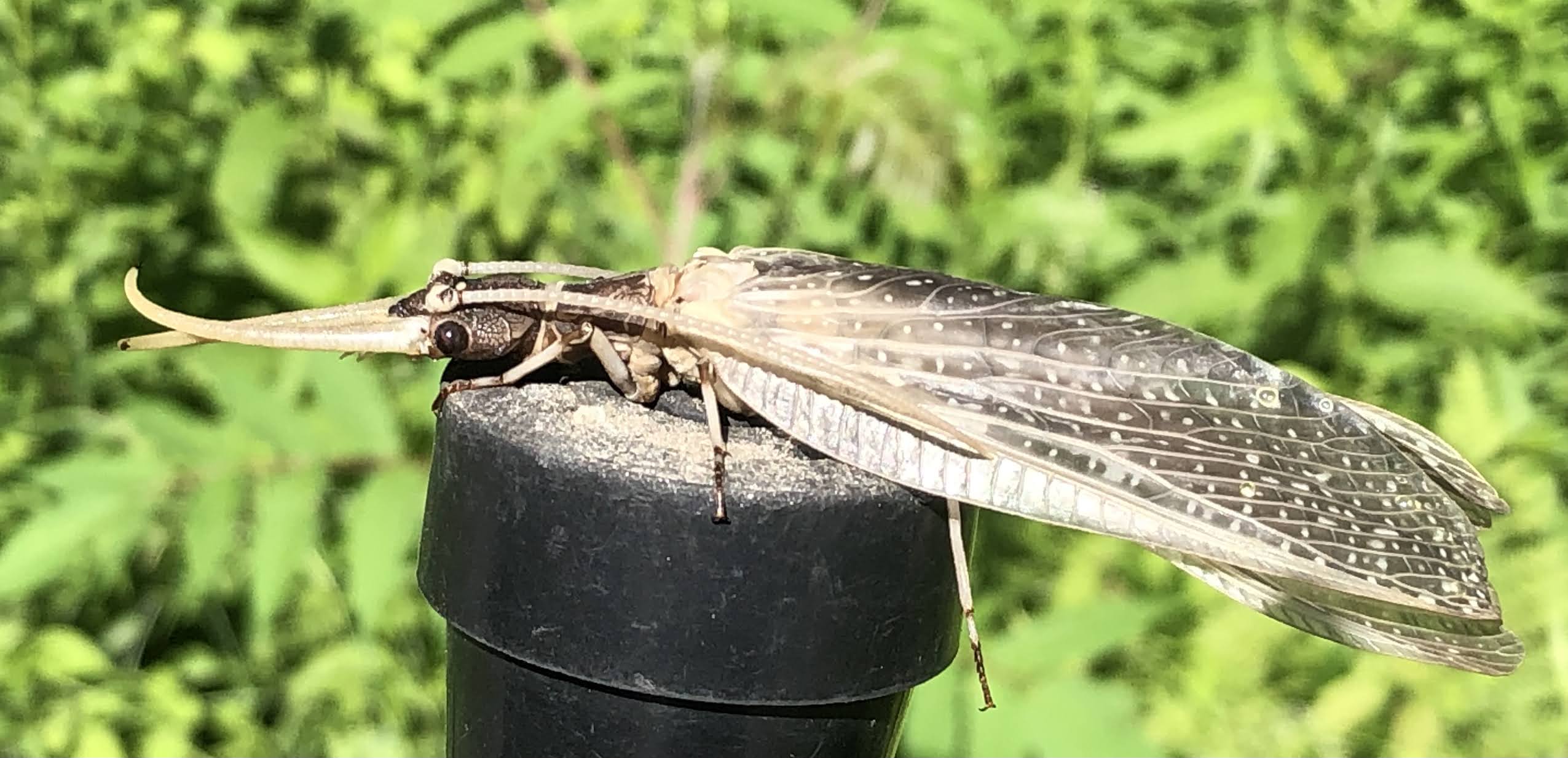
And Winterberry, AKA Black Alder, is flowering in damp thickets.
John

6-23
Basswood, AKA Linden, is a component of hardwood forests that favors areas with extra moisture.

Dry open woods and rocky banks are home for New Jersey Tea.

Moth Mullein crops up along roadsides and in old fields.

And a Cottontail Rabbit came out of a thicket near Dummerston Landing long enough to nibble some clover.
John

6-22
Ladies Thumb is a common wed of gardens and waste areas.

Tubercled Orchis favors wet meadows and river banks.

And Lesser Toadflax is most commonly found in railroad ballast although it's not common even there.
John


6-21
The dense spikes of large yellow flowers and the woolly leaves of Common Mullein mark roadsides and unmaintained fields.
John

6-20
Queen Anne's Lace is common in dry fields and waste places. Other names for this plant are Bird's Nest and Wild Carrot.

The flowers of Monkey Flower are said to resemble simian faces. Look for it in wet places.

And Swamp Candles, AKA Yellow Loosestrife, also favors wet places, even shallow water.
John

6-19
Everlasting Pea is either an escape from cultivation or introduced on construction sites for erosion control.

Yellow Rattle favors dry fields and can become an agricultural pest.

And colorful iridescent Dogbane Leaf Beetles can be found on their host plant, Dogbane.
John


6-18
Smooth Hawksbeard favors thinly vegetated fields and waste places.

Hop Clover, AKA Yellow Clover, is common along roadsides and in fields.

And Maleberry, a shrub, has opened sprays of 1/8 inch globular flowers. Look for it in thickets.
John


